It matters what — and whose — stories are told.
After a busy Pentecost full of worship and wine, we went up to Gori to visit a soup kitchen that my church in Fort Worth, Broadway Baptist, has been supporting. First, though, we stopped by the Joseph Stalin Museum. Stalin was born in Gori, and on the museum’s grounds is his actual childhood home. The museum also boasts the railway car that he traveled in, his personal suitcase, models of previous homes, and many, many photos, busts, and statues. The museum feels … odd, given its reverence for such a reviled figure.
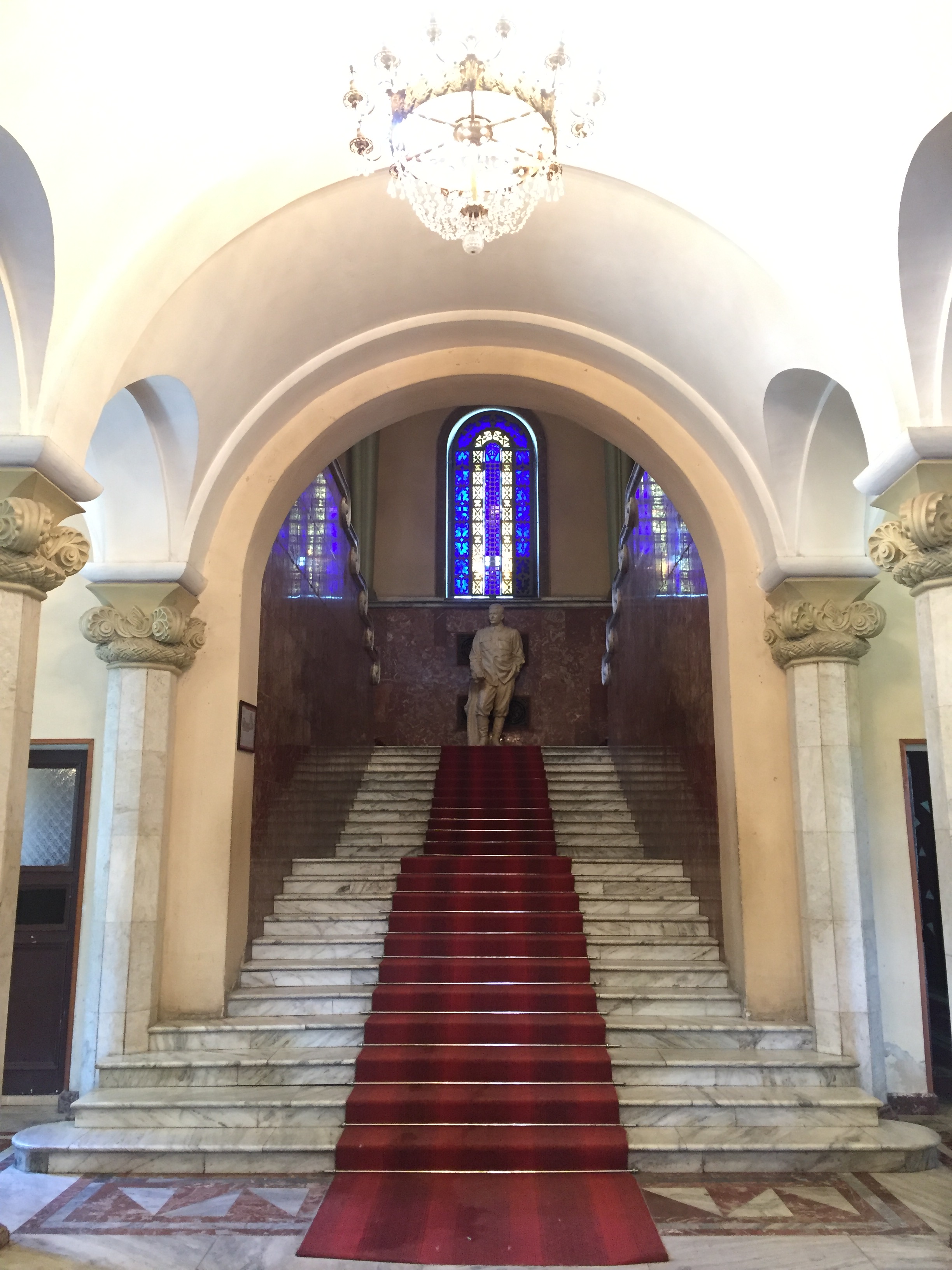
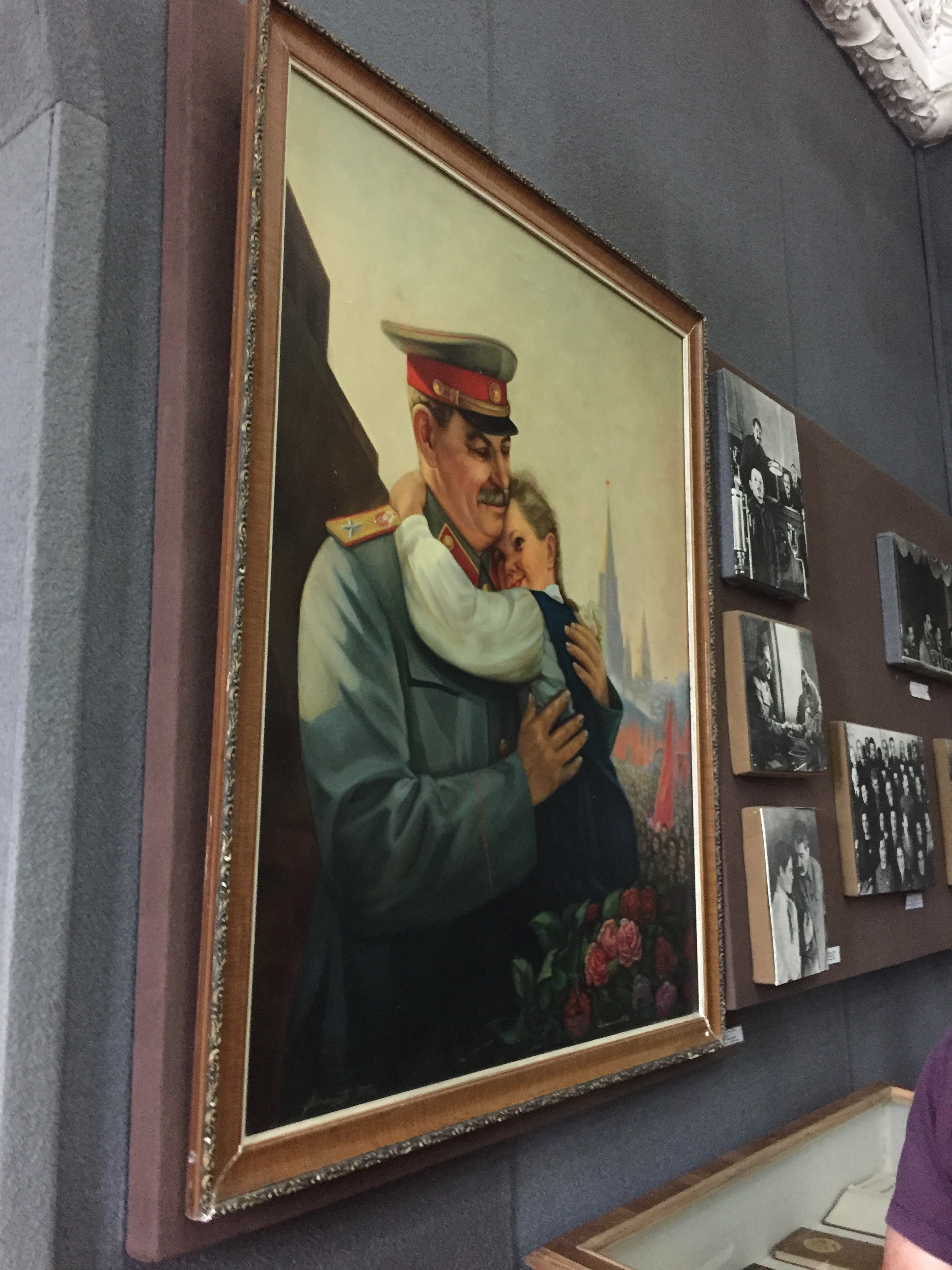
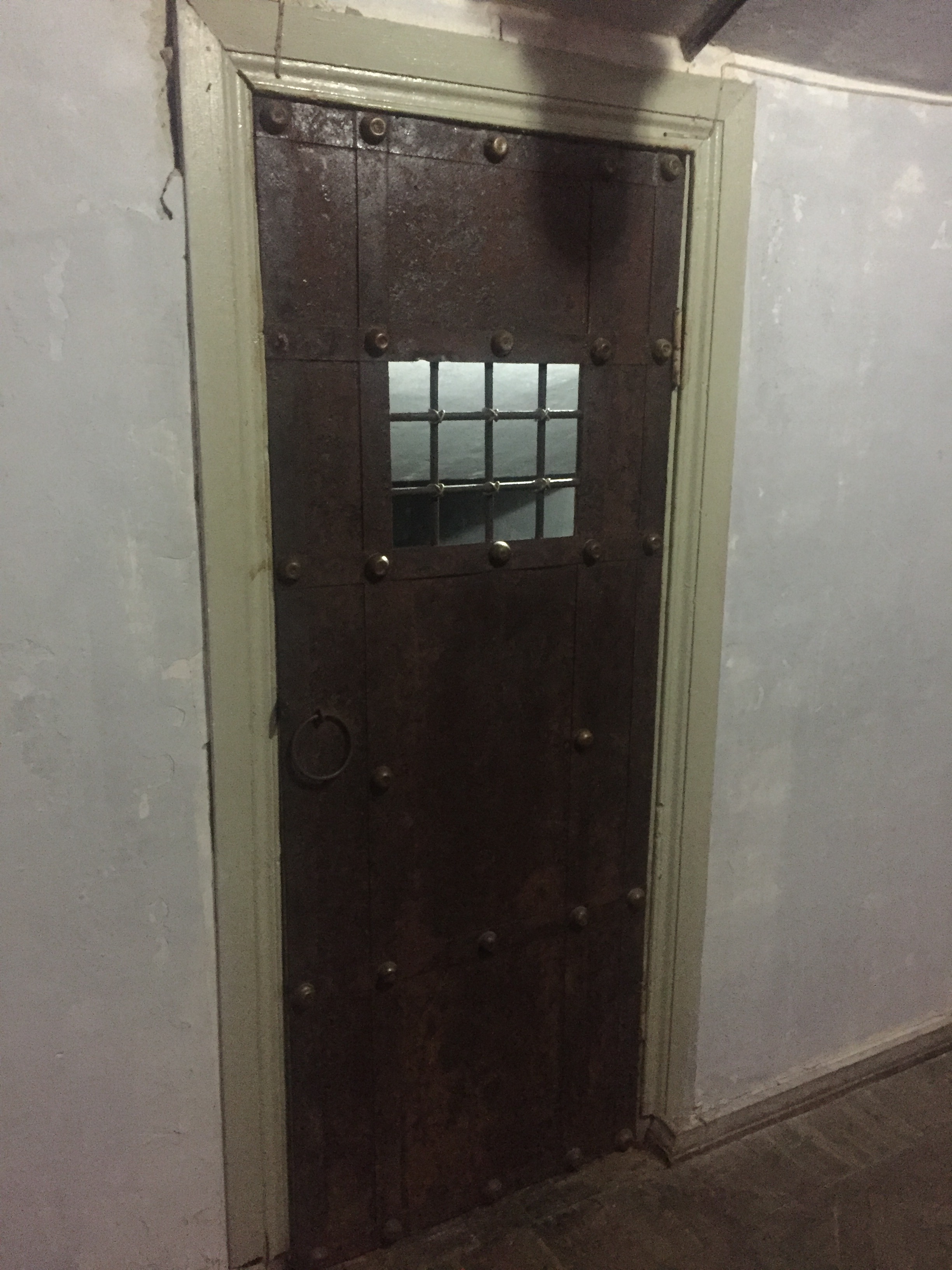
It didn’t take us long to bail on the tour, given without much enthusiasm in English by a young Georgian woman in a brightly patterned blouse. We wandered through the exhibits; the captions of photos were in Georgian, Russian, and English, but little else was translated into English. Also conspicuously absent were mentions of Stalin’s policies and procedures that murdered millions. Except for one small room, tucked under the grand staircase, in which a wall of quotations — in Georgian and Russian — led to a model of a prison cell. Ala translated some of the quotations for us; they all acknowledged the deaths as necessary for the cause. There was no remorse, regret, or indication that this man was anything less than a visionary. We passed a gift store on our way out, at which you could buy a cap or mug with Stalin’s name on them.
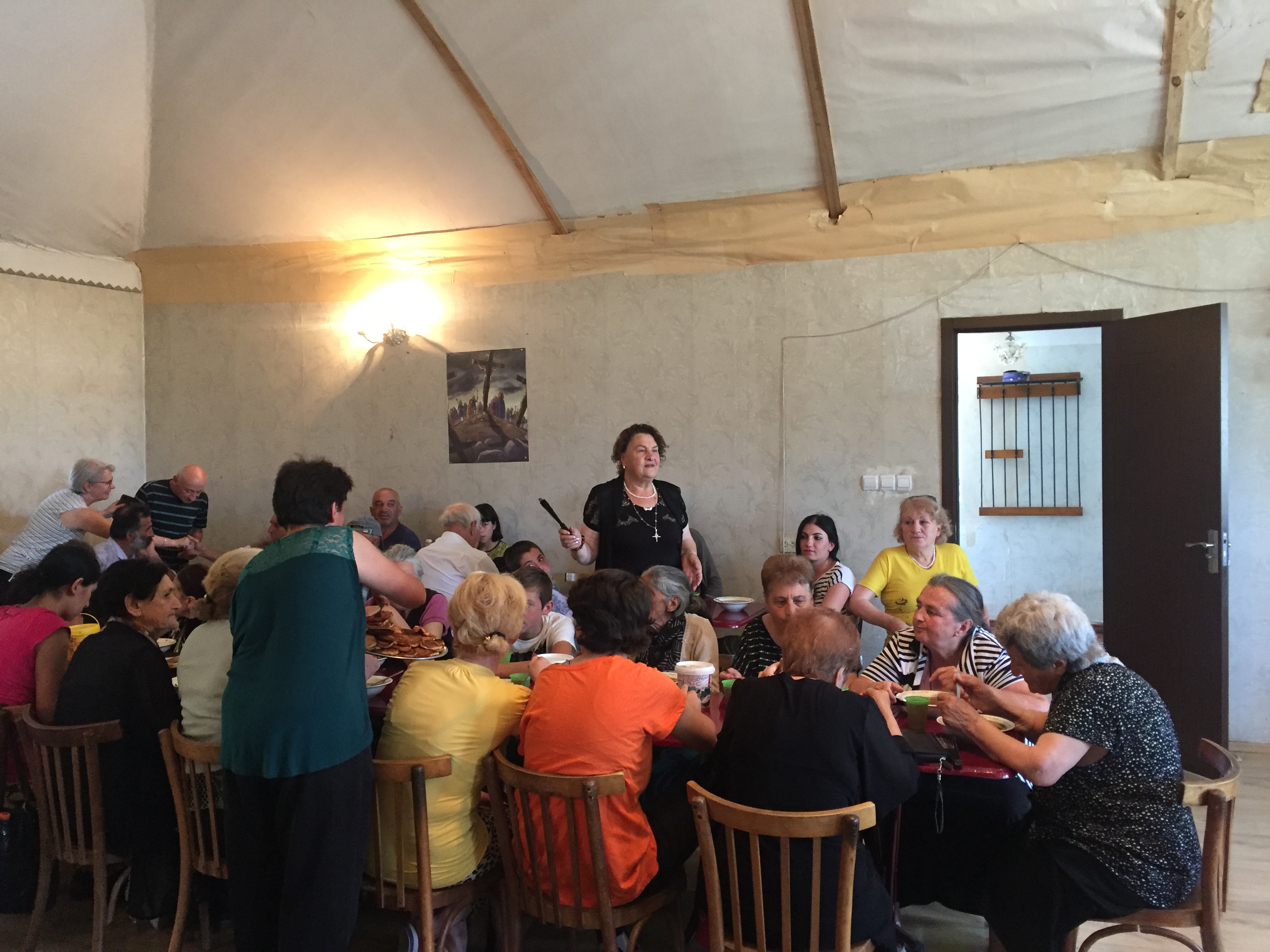
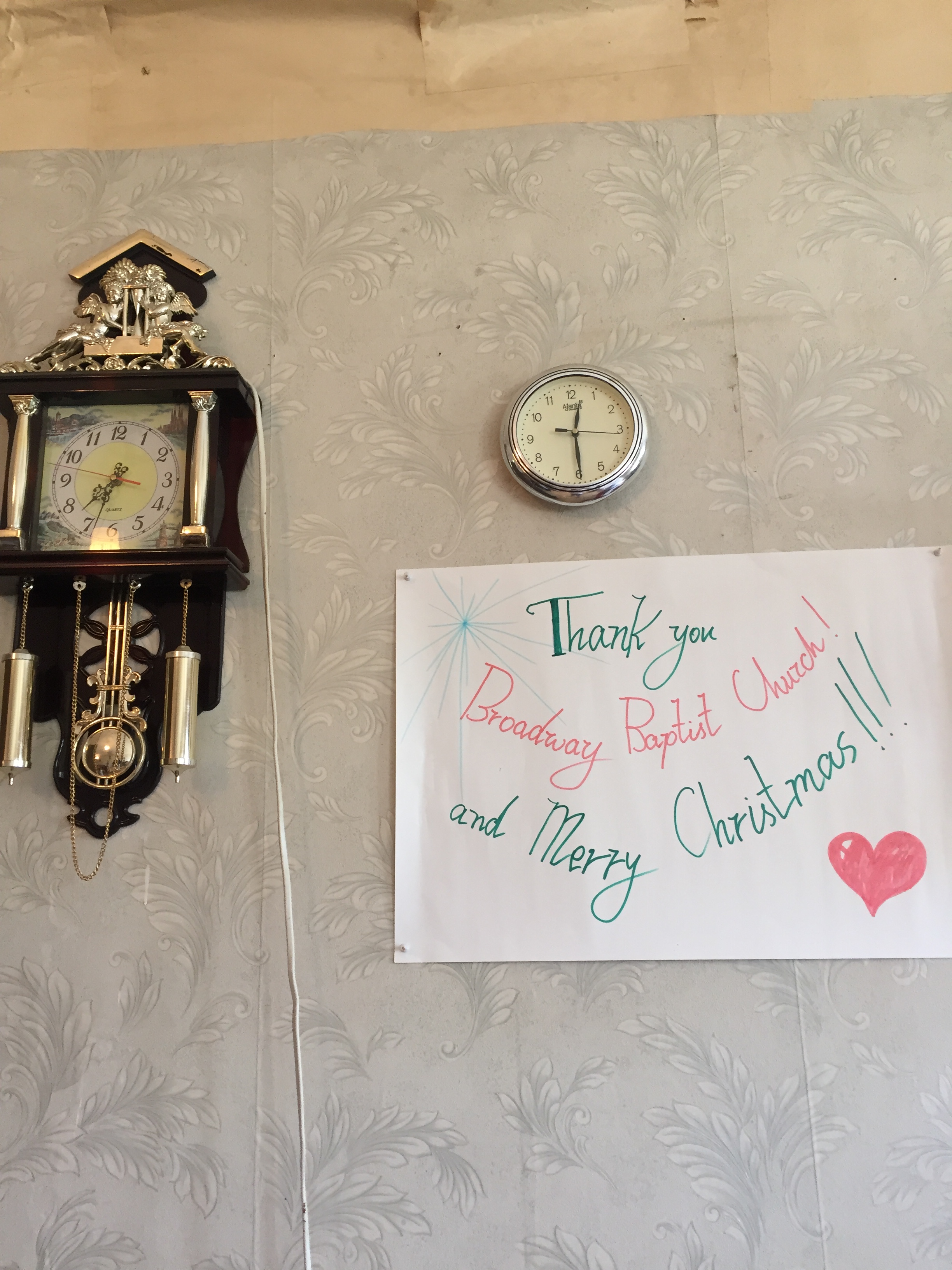
We went from there to the soup kitchen in Gori, where we met Leanna, whose passion and vitality was evident, even though we didn’t share a language. We arrived during a meal. Thirty people sat around two tables in the small church building, where they ate a hearty stew and some bread. On the wall was a “Thank you, Broadway Baptist! And Merry Christmas,” sign next to two clocks. Leanna pulled people away from their meals to speak with us, including a young girl who was a child when she started coming to meals at the church, but now is nearly a young woman. Many of the others sharing lunch together were older, and Leanna said they did not have any family look after them. For them, this may be the only meal they get that day, and so the kitchen is open six days a week.
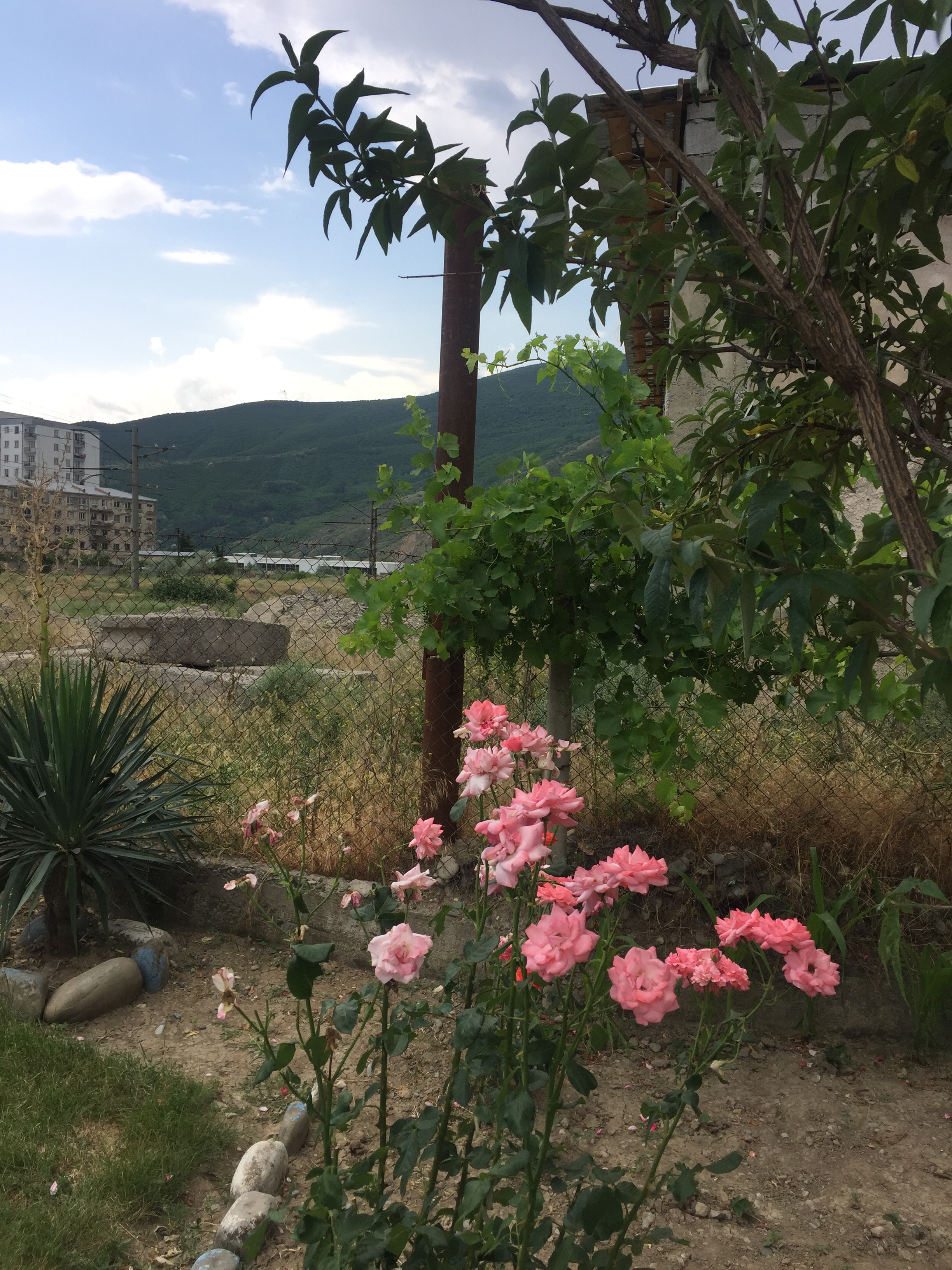
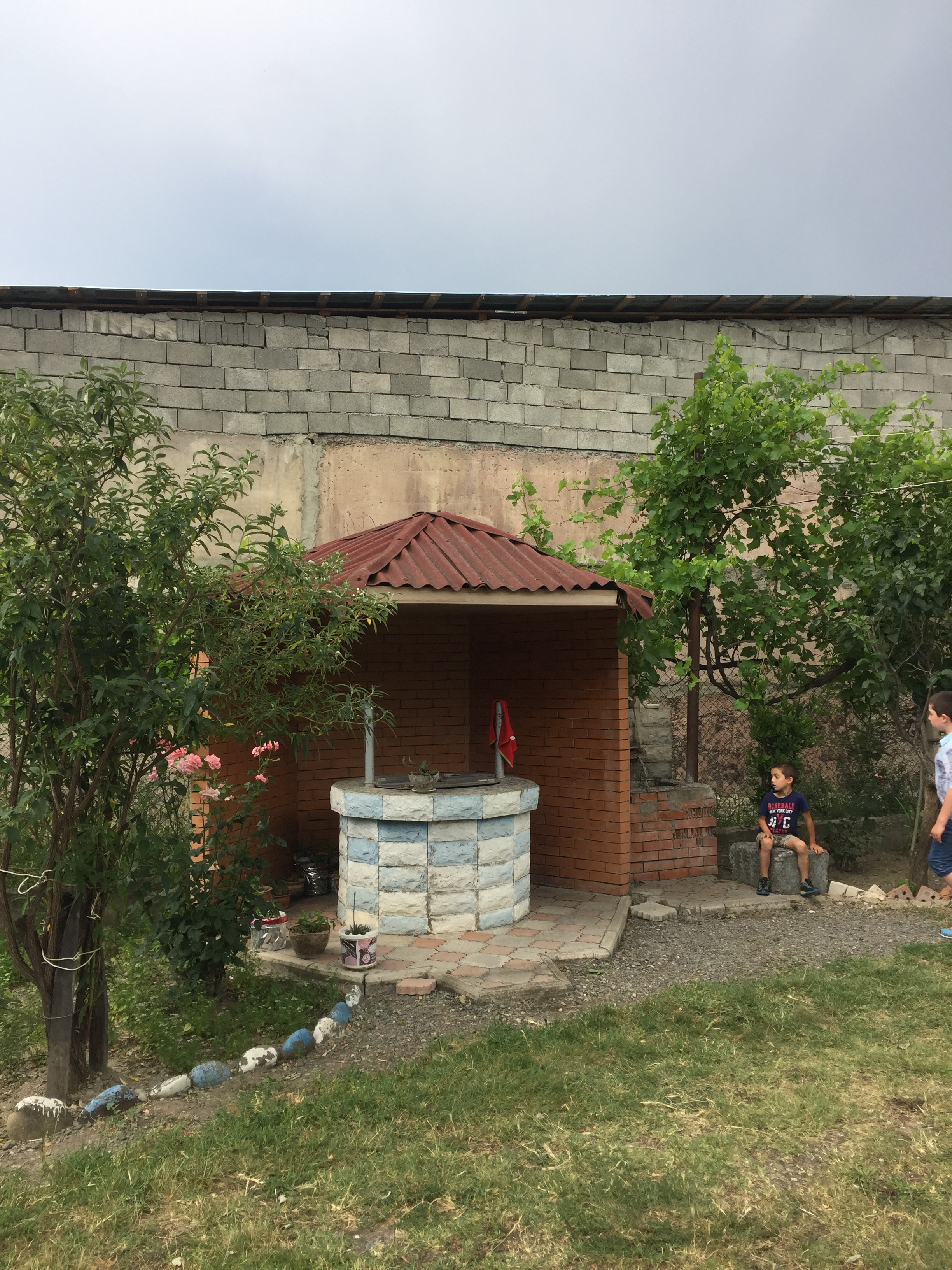
The small church yard is surrounded by beautifully tended flowers and a burgeoning vegetable garden. The brightness of the flowers, the unexpected beauty and clear care that goes into keeping them growing, contrasts with the empty lots, chainlink fences, and massive apartment buildings of the neighborhood. The church also has a lovely new well, which pumps out clean and cold water. The care that Leanna and others have for this church, and the importance of its work in the community, was apparent.
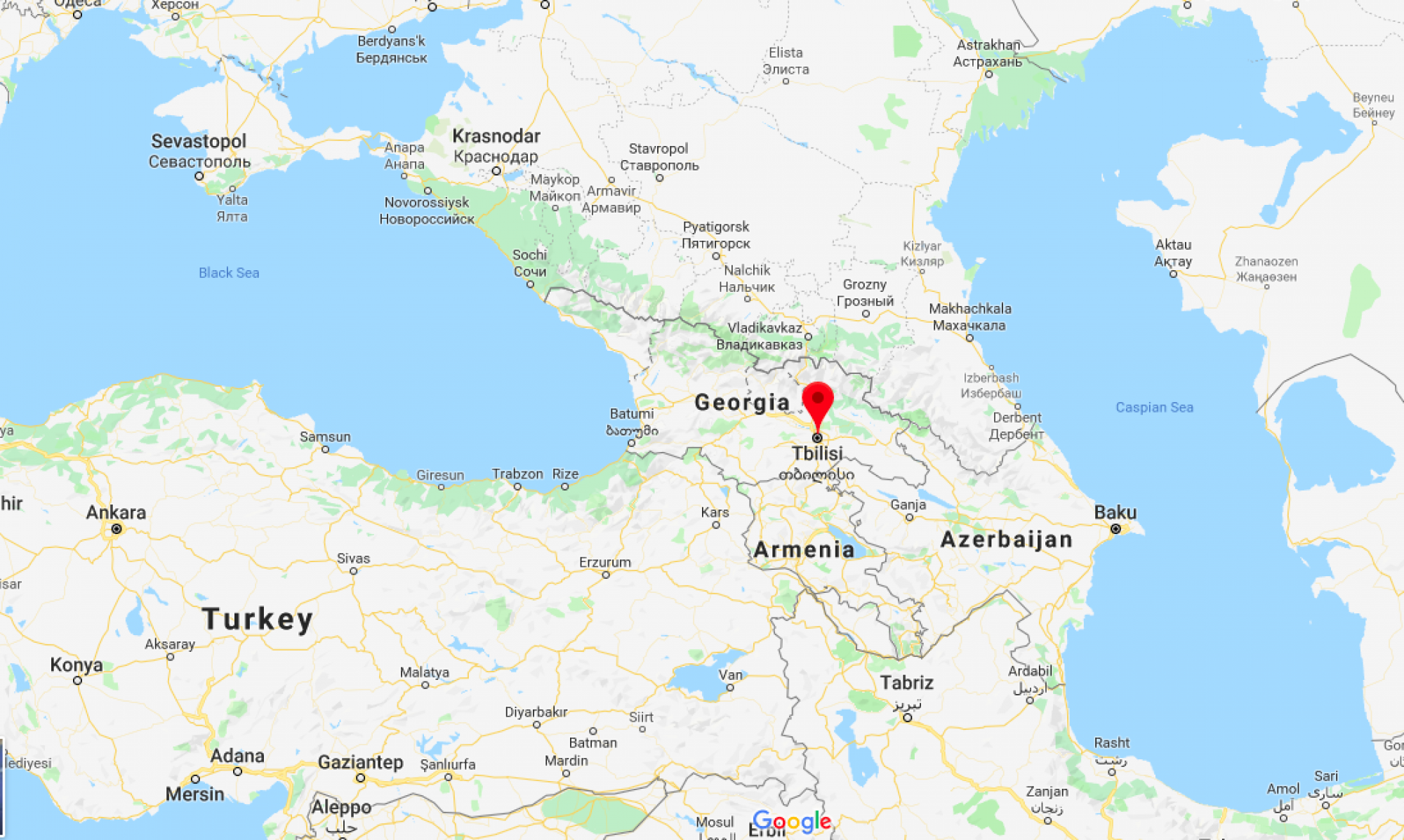
Leanna, the church, and the soup kitchen are the real story and legacy of Gori.
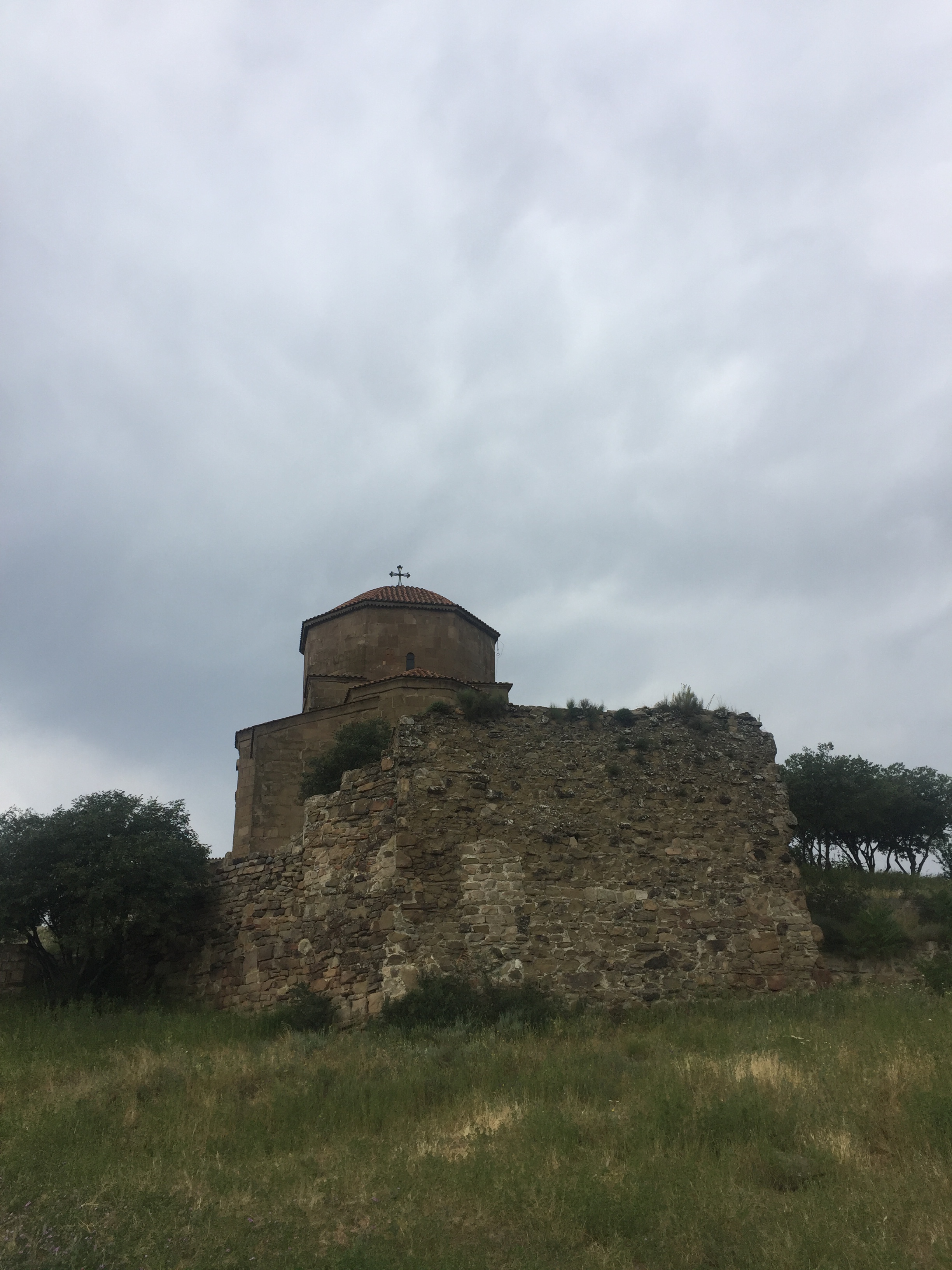
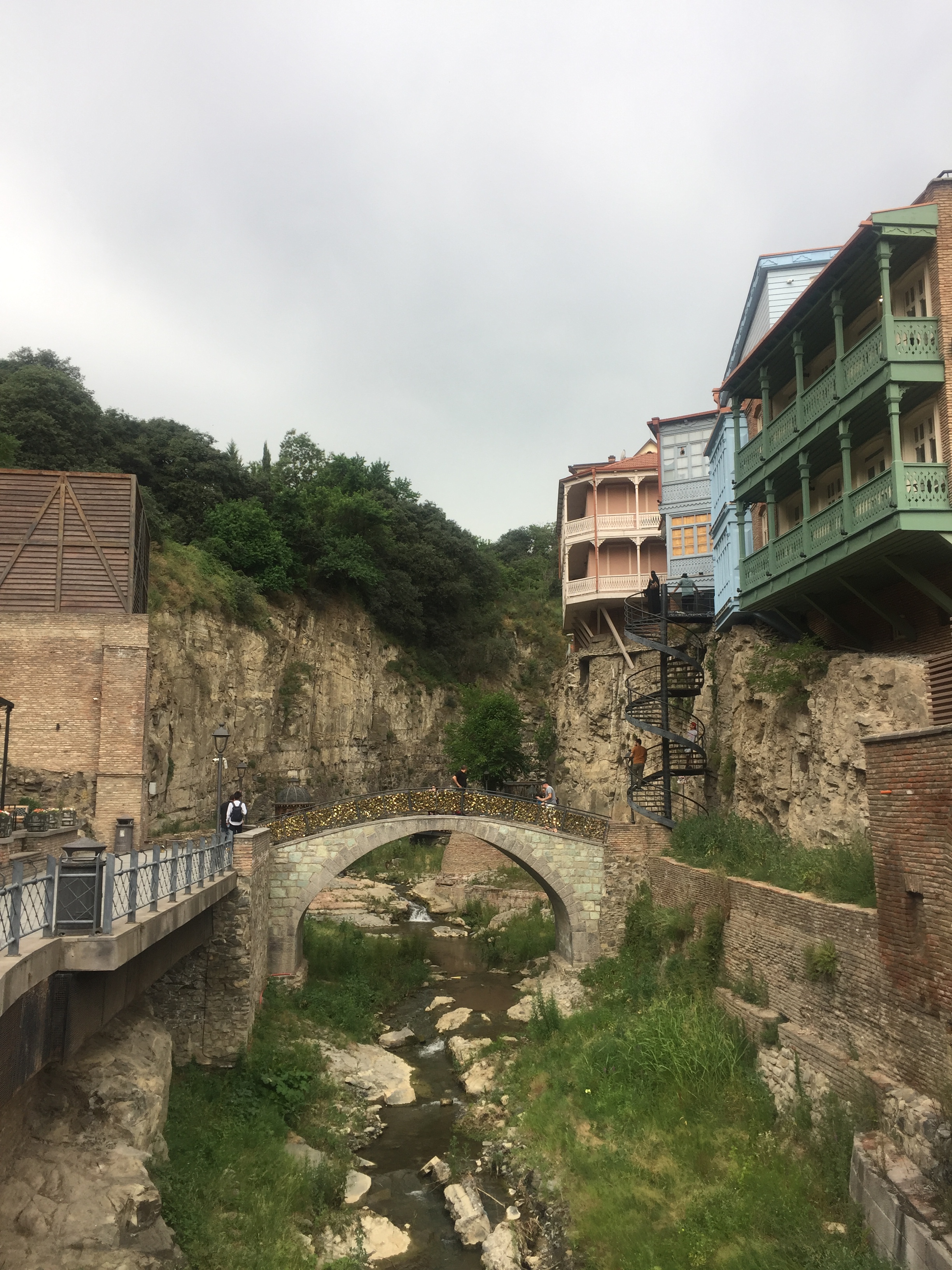
After lunch at Leanna’s, we stopped by Jvari Church, a 6th century church, before heading to Old Town Tbilisi, a place with old homes, sulfur baths, and a hidden waterfall. We visited the mosque, the only one in the world where Sunni and Shia Muslims pray together. We then visited an Armenian cathedral and discussed which Gospel writer was which on the ceiling. We passed by the synagogue as well; in Tbilisi, even our walks are interfaith.
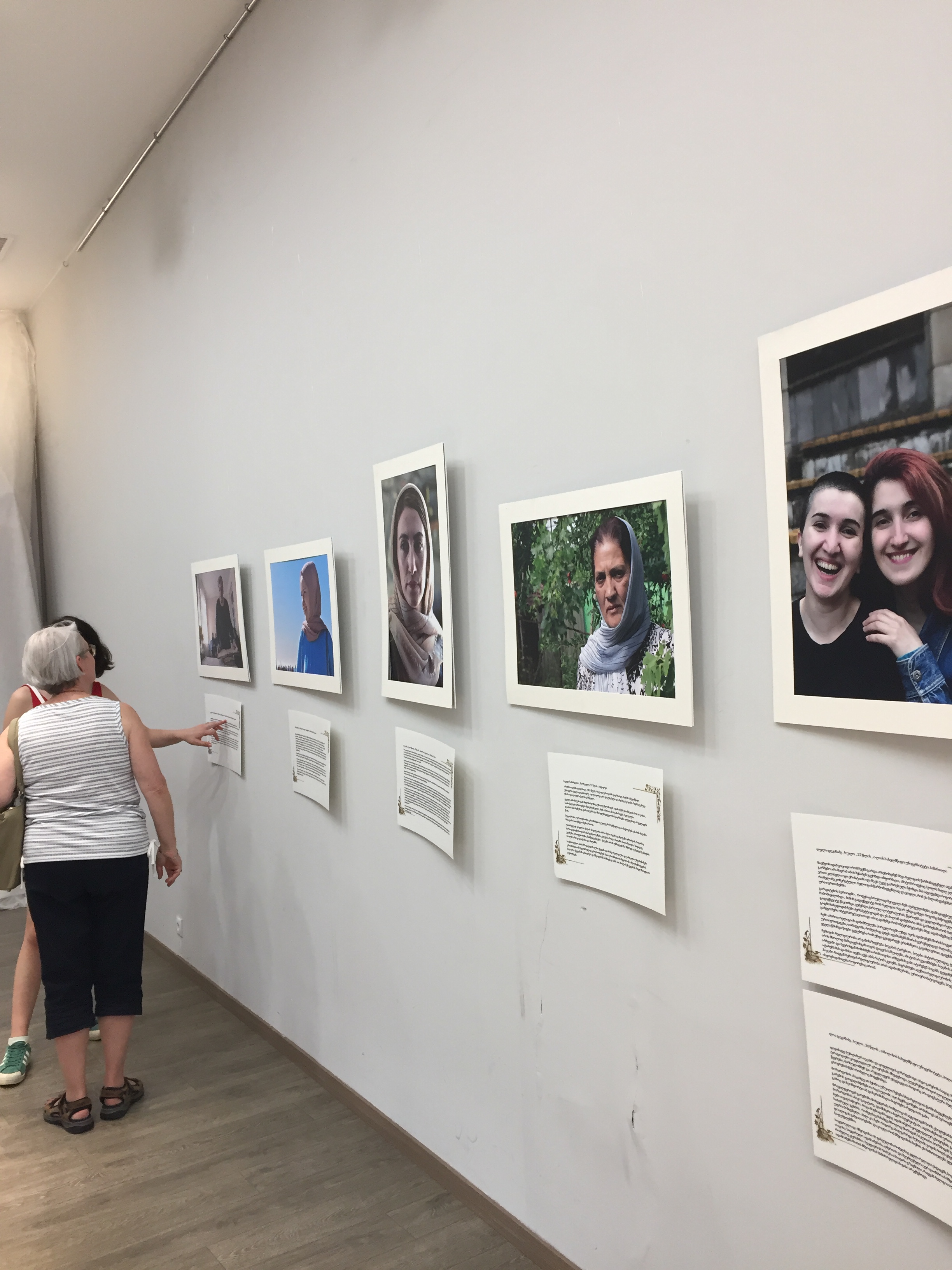
We ended up at the opening of a photography exhibition, organized by Bishop Rusudan (Malkaz’s niece) and completed by two young women, Nano and Nanuka. They photographed and interviewed Georgian women from different faiths and asked them to tell stories about their work. The images of the eleven women — which include our dear friend Leanna and the mother of the Muslim cleric we met the previous day — are strikingly beautiful, accompanied by stories which I couldn’t read but could imagine.
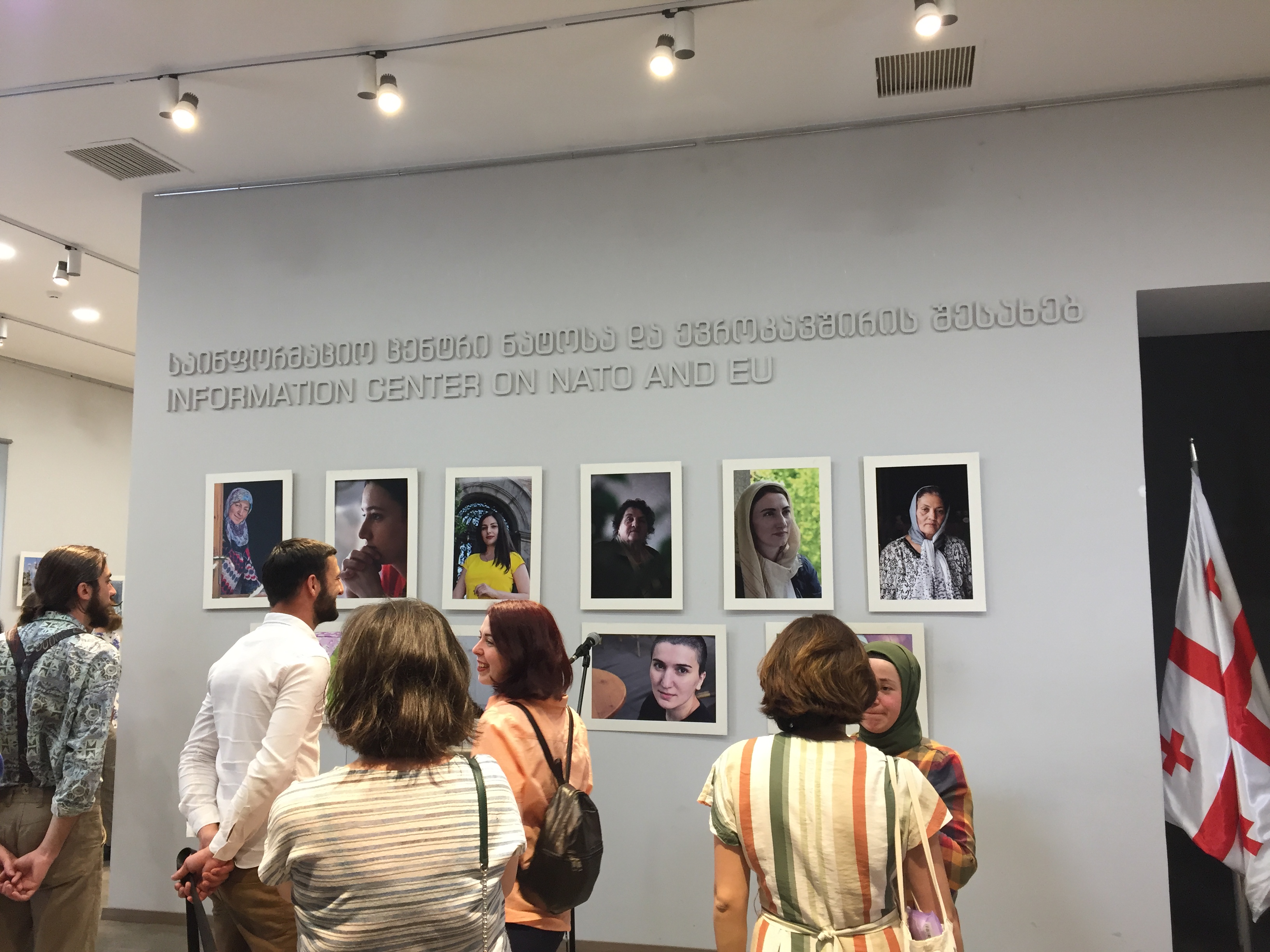
The exhibition was well-attended, and the women who were interviewed and photographed got the chance to speak to the crowd. Rusudan was kind enough to translate for us. All of the women talked about how important it was for women’s stories to be heard, for women of different faiths to be heard, and how grateful they were to be part of this conversation.
Later that night, on our way to dinner, we would walk past the Georgian Parliament building, where in just three days, protestors against Georgian’s continually tense relationship with Russian would be attacked again. 240 people would be hurt.
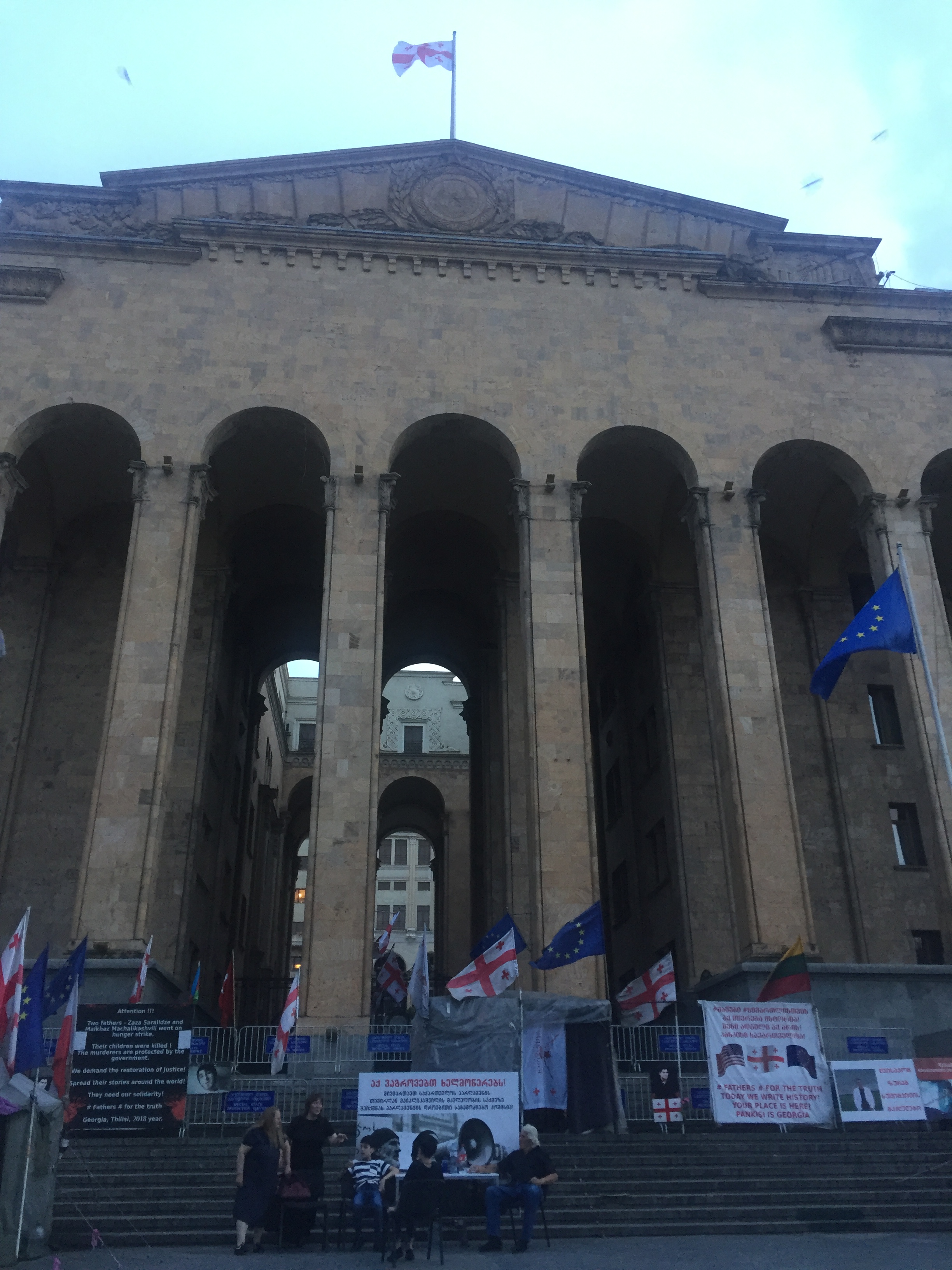
It matters what stories are told. It matters whose stories are told. And it matters who tells the stories. I am grateful for the stories that I heard today, and those who are brave enough to tell them and live them.
 Tbilisi Pilgrims